AI assistants & document search
Assistants that answer from your own documents, cite the exact page, and only show people what they are allowed to see.
- RAG
- Hybrid search
- Claude · OpenAI · Gemini
Siri2Moon is a one-person studio run by Binh Nguyen, a senior full-stack & AI engineer. One accountable engineer for the AI, the backend, the web app and the infrastructure underneath, from the first diagram to production.
Services
Hire one engineer who can own the whole slice: no hand-offs between an AI vendor, a backend team and an ops contractor.
Assistants that answer from your own documents, cite the exact page, and only show people what they are allowed to see.
Tool-calling agents and pipelines that do real work: process documents, generate reports, and produce content and video.
Fast, well-tested services with streaming responses, background jobs and clean boundaries that a team can keep extending.
Product UIs and admin consoles in Next.js and React, with live AI answers streamed straight to the browser.
AWS and Kubernetes platforms defined in Terraform, with CI/CD, monitoring, backups and zero-downtime migrations.
A hard look at your cloud bill and architecture, with a prioritised list of fixes that pay for themselves.
How it works
You always talk to the person writing the code, and you always know what ships next.
A short call to pin down the goal, the constraints and what success looks like in numbers.
A written architecture and plan with trade-offs, milestones and an honest estimate.
Small, working increments in your repository, with a demo every week instead of a big reveal.
Monitoring, runbooks and documentation, then a clean handover or ongoing support.
Selected work
Client names stay private. The engineering behind the work is written up on the blog.
Behind the studio

Senior Full-Stack & AI Engineer
I've spent 11+ years shipping software, most recently as the technical lead of an enterprise AI platform used by corporate customers in Korea and Vietnam. Before that I led teams of 15–20 engineers building web and mobile platforms for Japanese enterprise clients.
Da Nang, Vietnam · working with teams worldwide
Field notes on AI, cloud and the tools behind them.
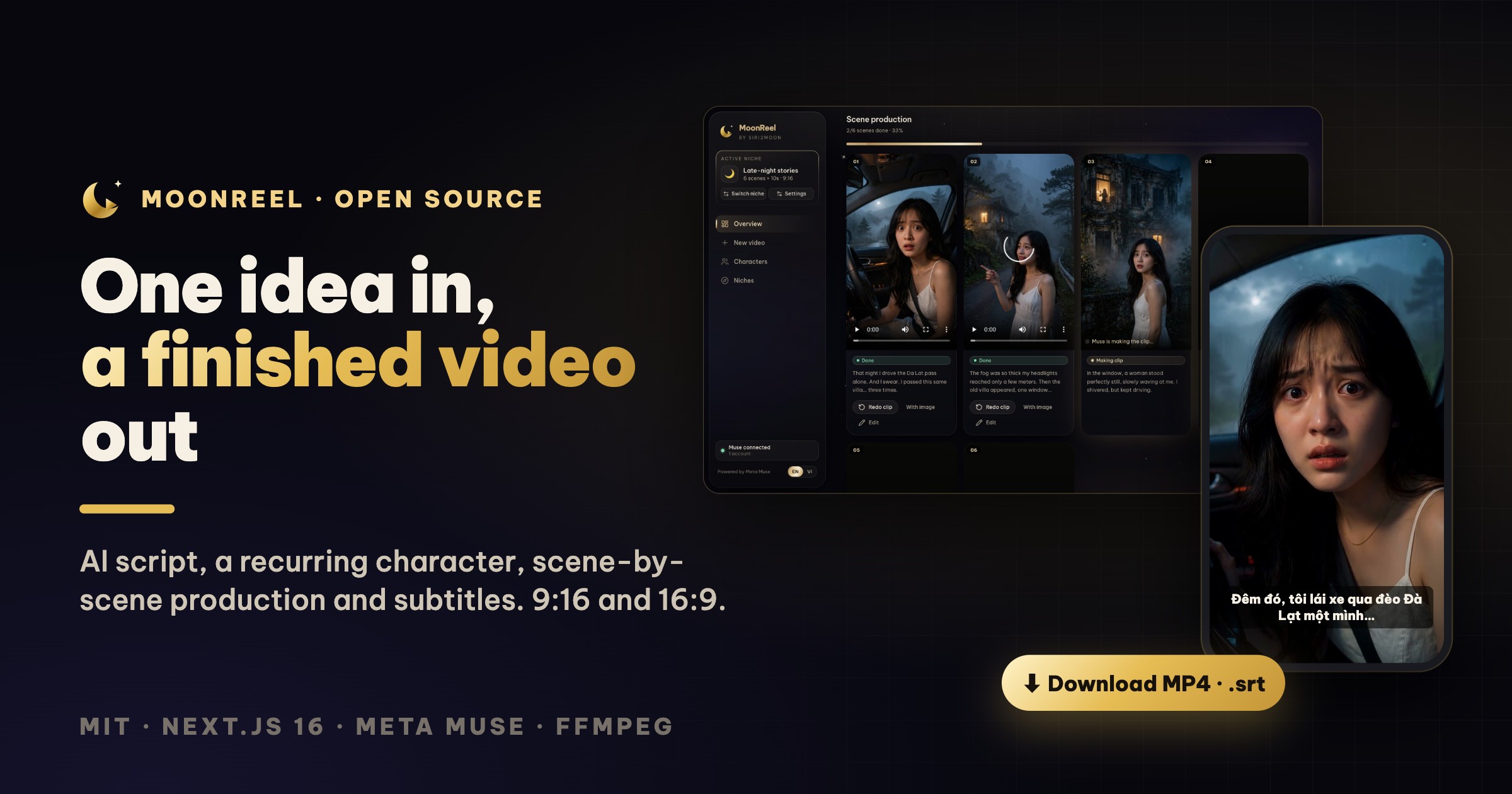
Meta Muse has no public video API yet. MoonReel is a free, open-source (MIT) studio that automates Muse video generation: one idea in, a scripted, subtitled 9:16 or 16:9 short video out.
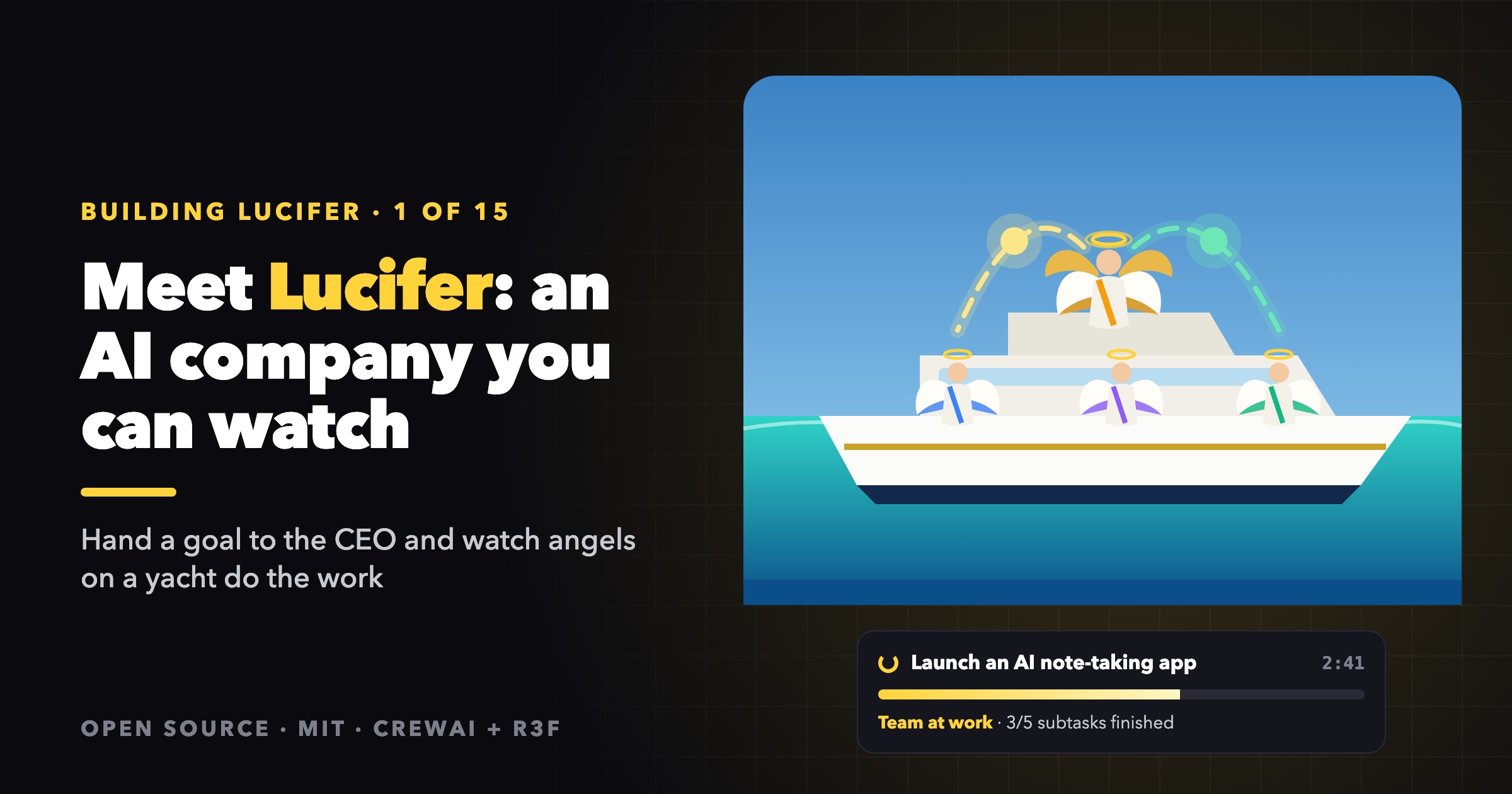
Lucifer is an MIT-licensed runtime for multi-agent companies with a 3D office to watch them in. Hand a goal to the CEO and watch angels on a yacht split it down a real org chart, do the work with real tools and report back.
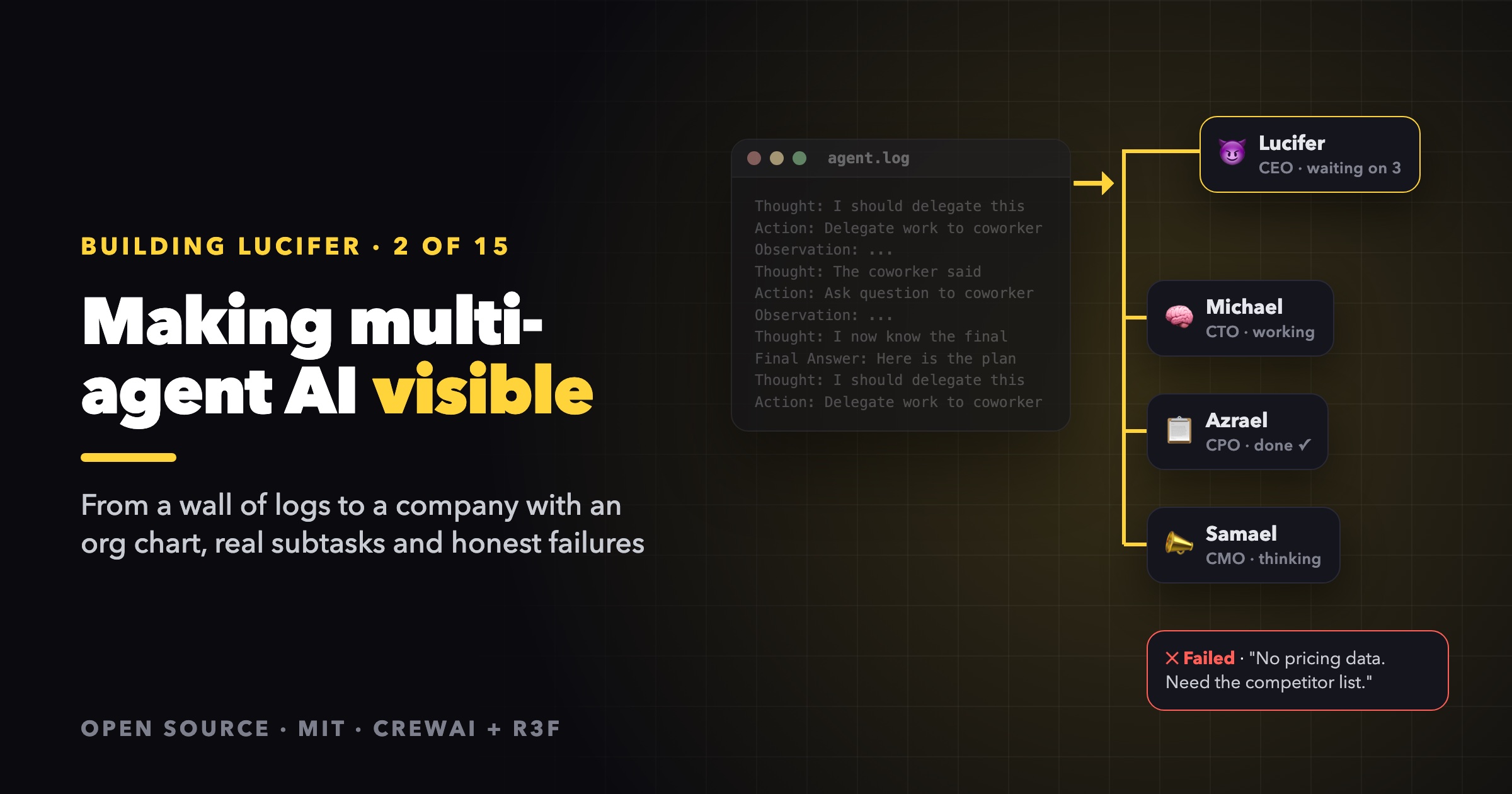
Multi-agent systems usually run as a wall of logs. Lucifer turns them into a company you can see: an org chart, real subtasks, honest failure reports and a 3D office. Here is the problem it solves and the design choices behind it.
Contact
Tell me what you're working on and where it's stuck. A few lines about the goal and the timeline is enough to start the conversation.
or find me at linkedin.com/in/siri2moon